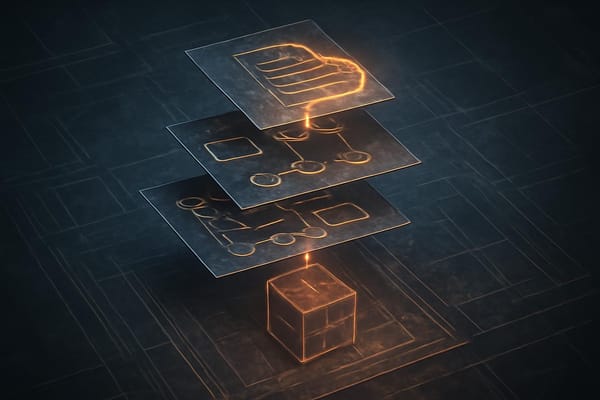
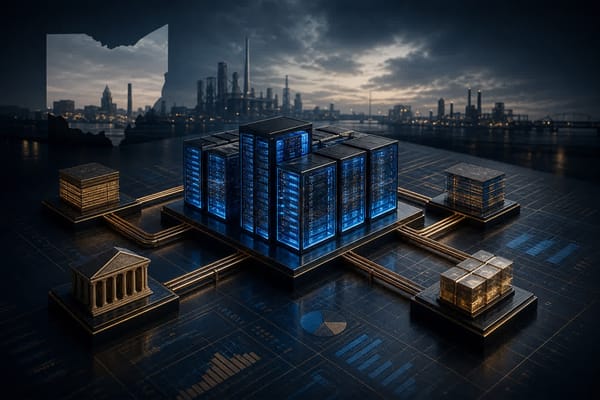
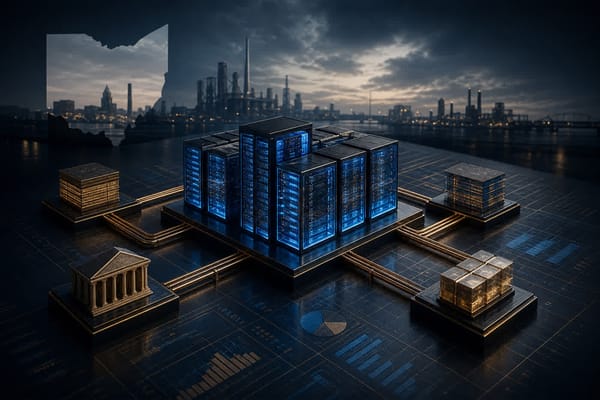
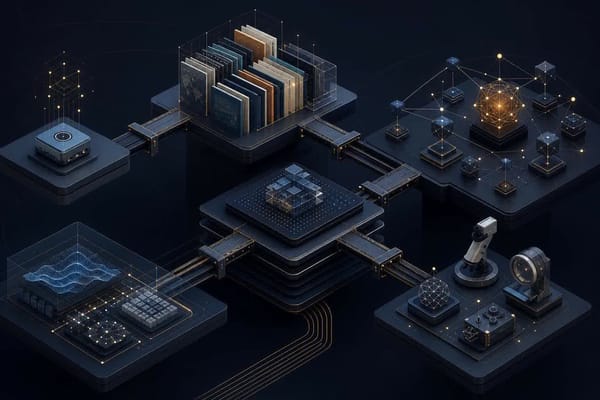
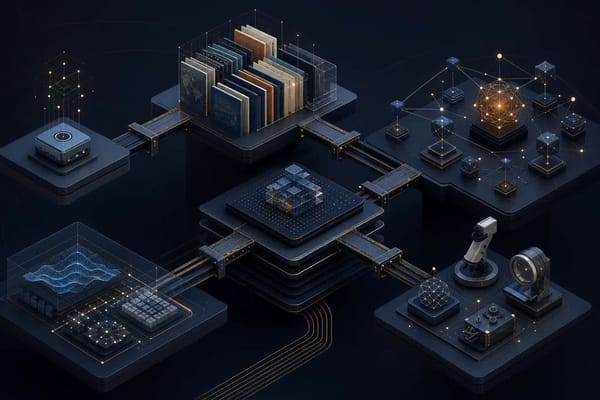
AI Signals and Reality Checks AI's Next Infrastructure Bottleneck Is the Power Schedule The AI infrastructure race is moving from buying accelerators to securing the hours, interconnection capacity, and operational flexibility that make them useful.
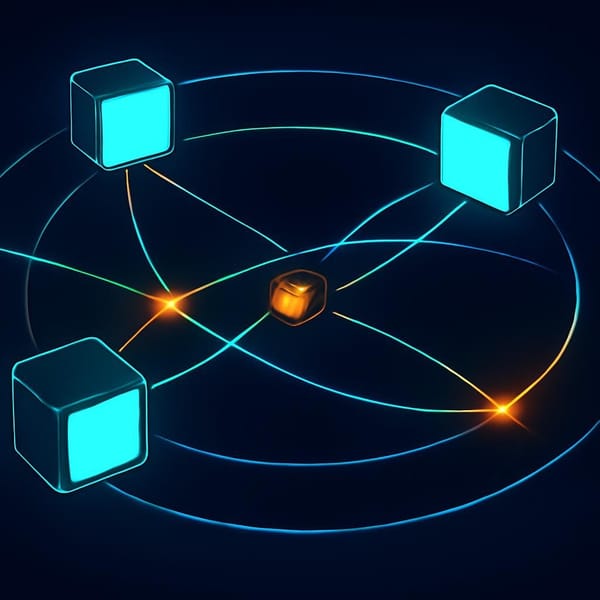
AI Signals and Reality Checks Multi-Agent Systems Need a Conflict Budget Recent agent experiments point to a neglected product risk: when several agents share a goal, coordination failure can become the system's dominant behavior.
AI Signals and Reality Checks 欧盟AI法案进入执行期:治理正在变成运行时基础设施 欧盟AI法案高风险条款开始适用。真正的变化不是多一份政策文件,而是AI产品必须在运行中留下可审计证据。
AI Signals and Reality Checks The AI Act's Deadline Turns Governance Into a Runtime Feature The EU AI Act's high-risk rules are now enforceable. The practical shift is from policy documents to evidence captured inside the AI system.
AI Signals and Reality Checks AI 智能体真正卖的不是自主性,而是恢复能力 智能体的下一个优势不是完成一条干净流程,而是在状态过期、工具失败和需求含糊时,能够透明且安全地恢复。
AI Signals and Reality Checks AI Agents Are Really Selling Recovery, Not Autonomy The next agent advantage is not completing a clean task. It is recovering from stale state, partial failure, and ambiguous instructions without hiding the cost.
AI Signals and Reality Checks AI 编程智能体卖的不是补全,而是整个代码库的工作流 编程智能体的竞争已经越过代码生成。真正可持续的优势,是证明代码库级修改安全、可审查,而且成本可控。
AI Signals and Reality Checks AI Coding Agents Are Selling the Repository, Not the Autocomplete The coding-agent race is moving past code generation. The durable advantage is proving that a repository-scale change is safe, reviewable, and worth its cost.
AI Signals and Reality Checks 智能体时代,审计轨迹正在变成产品基础设施 智能体的价值不只是替人执行动作,更在于留下可复核的证据链:为什么执行、依据是什么,以及责任最终落在哪里。
AI Signals and Reality Checks AI Agents Are Turning Audit Trails Into Product Infrastructure The agent advantage is not autonomous action alone. It is a usable record of why an action happened, what evidence supported it, and where responsibility remains.
AI Signals and Reality Checks 前沿模型变便宜后,真正稀缺的是挑对工作 当前沿模型价格下降,AI 应用的瓶颈不再是调用能力,而是判断哪些工作值得自动化,以及如何证明结果值得监督成本。
AI Signals and Reality Checks Cheaper Frontier Models Move the Bottleneck to Work Selection When frontier capability becomes cheaper, the scarce resource is not inference. It is choosing which work deserves automation and proving the result is worth the supervision.
AI Signals and Reality Checks AI 基础设施生意,正在变成一场信用交易 英伟达据报道可能为 OpenAI 的数据中心融资提供担保,这暴露出 AI 基建风险正从芯片供给转移到资产负债表、租约与交易对手。
AI Signals and Reality Checks The AI Infrastructure Trade Is Becoming a Credit Trade Nvidia's reported financing backstop for OpenAI points to a deeper shift: AI infrastructure risk is moving from chip supply into balance sheets, leases, and counterparties.
AI Signals and Reality Checks AI 的高额投入,正在变成产品定价约束 AI 基础设施投入开始承受市场审问。真正的产品问题是:每一项新增算力,能否换来可持续的用户价值与利润。
AI Signals and Reality Checks AI Spending Is Becoming the Product's Pricing Constraint The AI capex debate is becoming a product question: can usage, pricing, and workload design turn infrastructure spending into durable margins?
AI Signals and Reality Checks AI 下一场平台竞争,争的是公共基础设施 Current AI 推动开放式 AI 基础设施,真正值得关注的不是又一个模型,而是模型、数据与本地设备之间能否互换协作。
AI Signals and Reality Checks The Next AI Platform Fight Is Over Public Infrastructure Current AI's open-infrastructure push points to a quieter contest: who controls the interfaces, datasets, and local runtimes that make models useful.
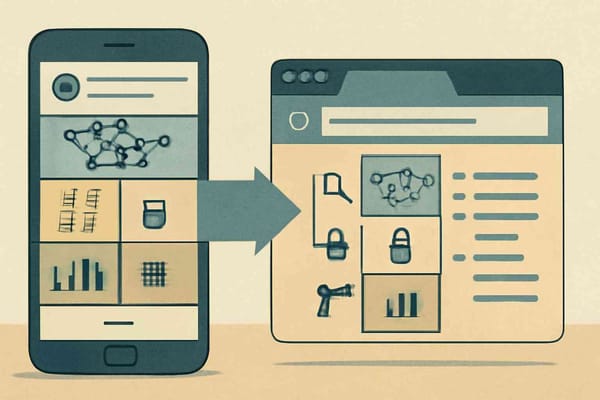
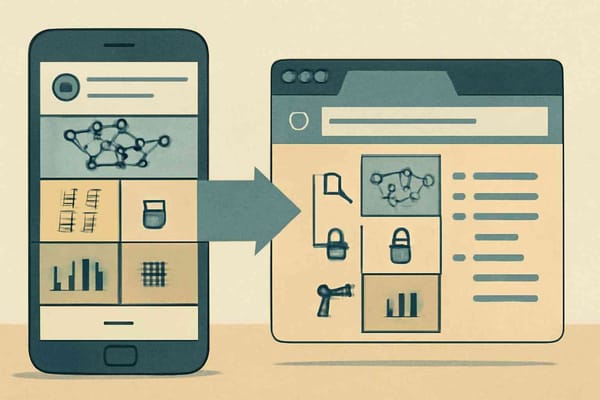
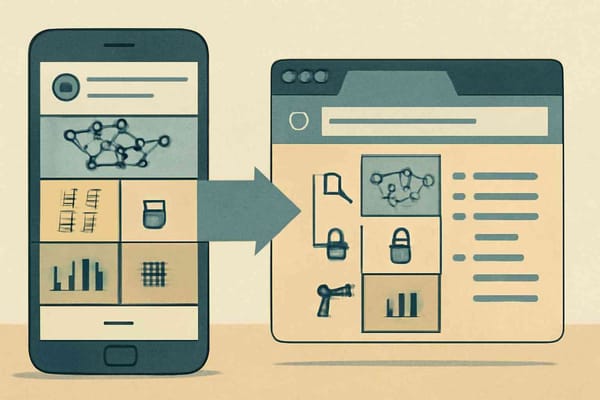
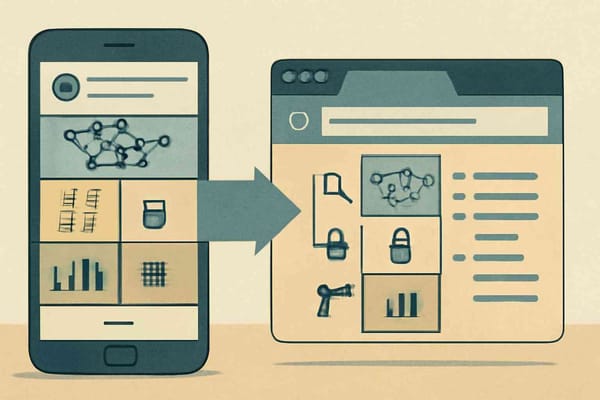
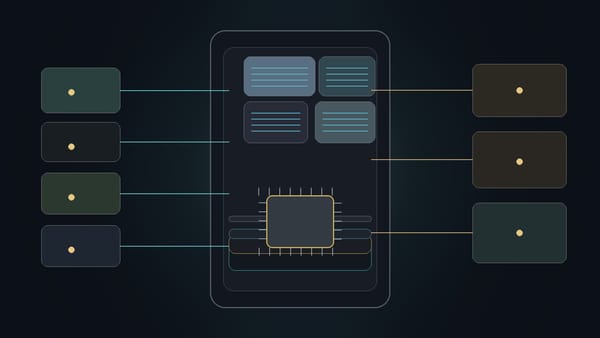
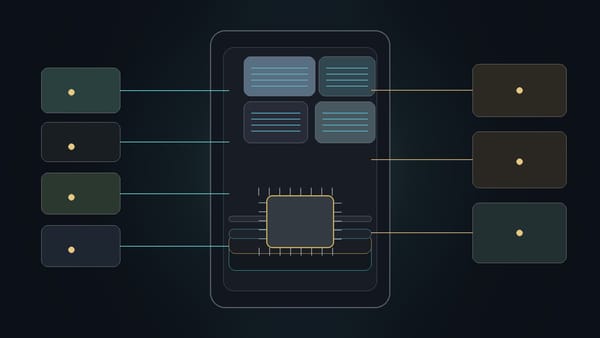
AI Signals and Reality Checks On-Device AI Is Becoming a Device Stack Problem The important thing is not that AI is moving to the phone; it is that local inference only works when chips, SDKs, and offline actions line up.
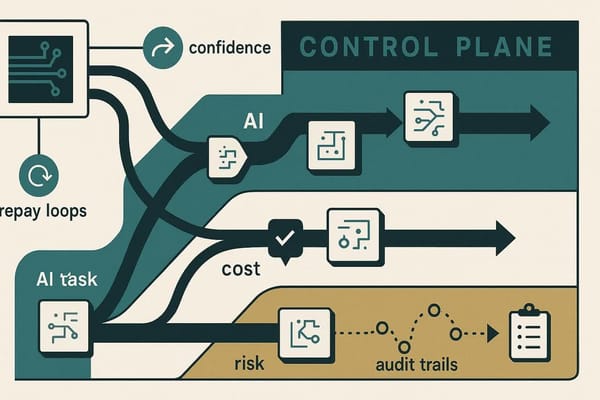
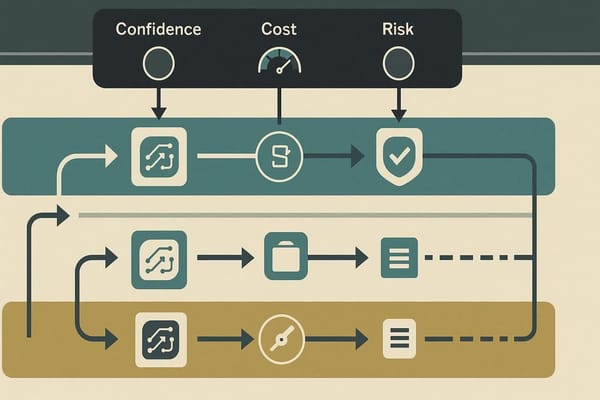
AI Signals and Reality Checks AI 路由正在成为真正的利润杠杆 AI 竞争正在从“谁的模型更强”转向“谁的路由更聪明”。真正决定利润和信任的,是任务被送进快路径、慢路径还是受管路径。
AI Signals and Reality Checks AI Routing Is Becoming the Real Margin Lever The AI battleground is shifting from raw model quality to routing. The winners will route work across fast, slow, and governed paths well enough to protect margin and trust.
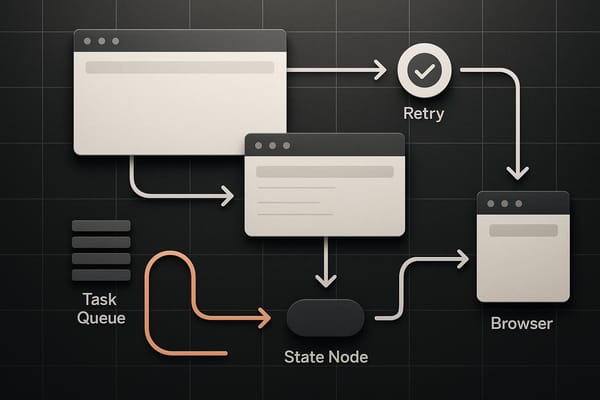
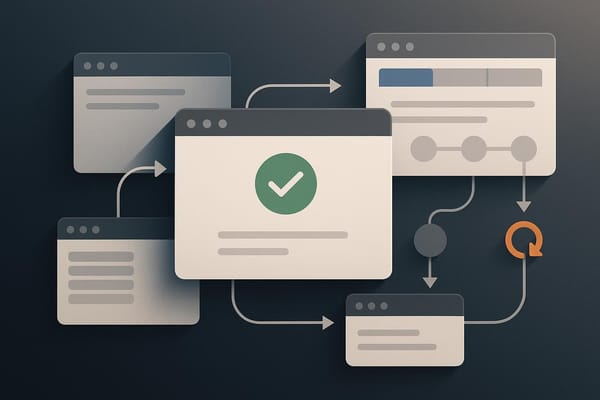
AI Signals and Reality Checks AI 的竞争正在转向浏览器工作,而不是聊天润色 OpenAI 和 Anthropic 最近都在更强调浏览器任务与 agent 执行。这说明竞争焦点正在从“会不会说”转向“能不能在复杂网页里把事做完”。
AI Signals and Reality Checks The AI Race Is Moving Into Browser Work, Not Chat Polish OpenAI and Anthropic are both pushing harder on browser work and agentic workflows. That is a sign the real competition is shifting from model eloquence to task completion in messy, stateful environments.