AI Model Velocity: Weekly Upgrades vs. Enterprise Change Management

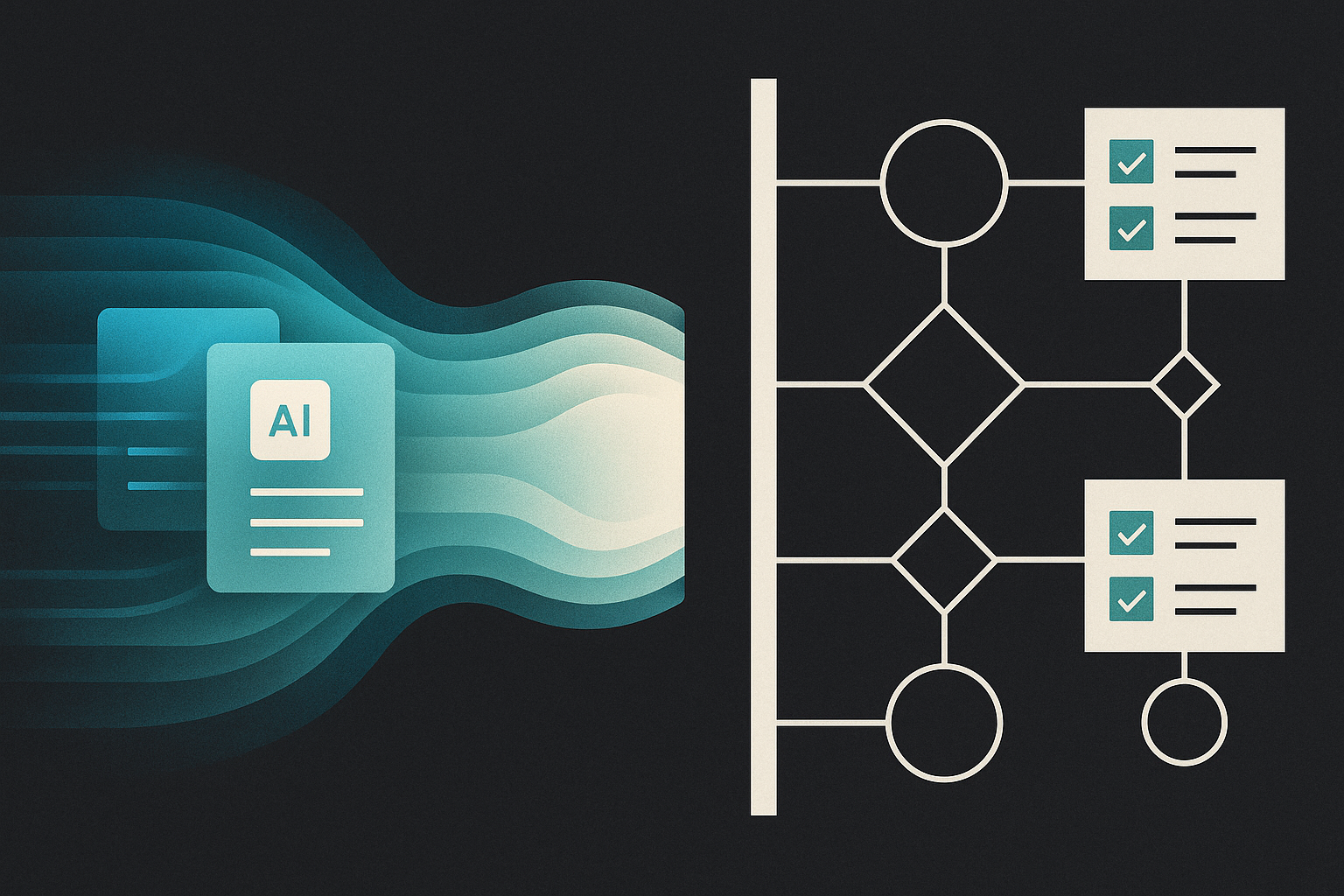
The signal: The pace of AI model releases keeps accelerating. Better reasoning, larger context windows, faster inference, lower prices, stronger coding performance, richer multimodal features, and new agent tooling now arrive on a cadence that feels closer to software deployment than classic platform change. What used to look like a major yearly shift now shows up as a weekly or even daily update. For product teams, this creates a powerful narrative: if frontier capability is improving that quickly, then adoption should compound just as quickly. The assumption is simple. Better models ship, businesses plug them in, and value rises in a near-straight line.
There is a real signal underneath that optimism. Model velocity does matter. Faster release cycles mean organizations can access meaningful quality improvements without waiting for a full platform reset. A coding assistant that makes fewer silent mistakes, a support agent that follows policy more reliably, or a search product that cites evidence more clearly can create immediate economic value. If performance keeps improving while cost per unit falls, then the addressable market expands. Workflows that were too expensive, too brittle, or too weak six months ago suddenly become viable. That is not hype. It is how infrastructure shifts usually become application shifts.
This speed also changes buyer psychology. Teams no longer evaluate a model only for what it is today. They evaluate the upgrade path. If a vendor can improve capability every few weeks without forcing a full rebuild, buyers start to treat model access like a moving advantage rather than a static procurement decision. This is especially important in categories like coding, research, support, compliance review, and enterprise search, where even modest accuracy gains can unlock new user trust. The market signal, then, is not only that models are getting better. It is that continuous improvement itself is becoming part of the product promise.
The reality check: Enterprises do not absorb model progress at the same speed that labs announce it. A model can ship overnight. Organizational trust does not.
This is the first constraint: release velocity is not the same as adoption velocity. Inside real companies, every meaningful model change touches prompts, retrieval settings, routing logic, safety filters, user expectations, QA procedures, and often legal or compliance review. Even when the new model is objectively better, it may behave differently enough to require re-baselining. Output tone shifts. Failure modes move. Latency changes. Tool use becomes more or less aggressive. Structured fields drift. A model upgrade is rarely just a swap. It is an operational event.
The second constraint is evaluation debt. Many teams talk as if they can simply ride the frontier, but fast upgrades only help if the organization can measure whether the new system is actually better for its own tasks. General benchmark gains are useful signals, not deployment truth. A model that jumps on public leaderboards may still be worse for a regulated workflow, an internal taxonomy, a multilingual support queue, or a cost-sensitive production pipeline. Without fast internal evals, release velocity creates pressure instead of leverage. Teams feel compelled to upgrade because the market is moving, while lacking the instrumentation to know whether the change helps or harms.
The third constraint is human change management. Most AI adoption stories are told as if the bottleneck were purely technical. In practice, habits, permissions, and accountability move slower than APIs. If workers do not trust a new agent's behavior, they route around it. If managers cannot explain when to rely on the system and when to override it, usage plateaus. If governance teams see upgrades arriving faster than review capacity, they clamp down. This is why many organizations look enthusiastic about AI from the outside while remaining shallow in production depth. The technology is moving fast, but the operating model around it is still immature.
The strongest companies will treat model velocity as a capability stream that needs packaging, not as a firehose to consume raw. They will separate experimentation from production commitments, run task-level evals before broad rollout, define upgrade criteria in advance, and build user trust through predictability rather than novelty. They will also understand a slightly weaker model that the organization can actually govern may be more valuable than a stronger one that changes too often to operationalize.
Key points to remember:
- Model release speed is now a real competitive force - Better capabilities are arriving fast enough to reshape product planning and vendor selection.
- Adoption moves slower than announcements - Enterprises must re-check workflows, policies, and failure modes whenever model behavior changes.
- Evaluation debt is the hidden tax - Frontier upgrades only help when teams can measure task-level impact inside their own systems.
- Human trust gates still dominate - Training, governance, and accountability often slow deployment more than model access does.
- Operational packaging beats raw speed - The winners will turn rapid model progress into stable workflows users can actually trust.
The bottom line: The signal is real. AI model velocity is becoming a product advantage in its own right, and the organizations that can ingest improvements quickly will gain compounding leverage. The reality check is that capability does not become business value on release day. Between the lab and the workflow sits change management, evaluation discipline, and human trust. In the next phase of AI adoption, the gap between shipping fast and absorbing fast may matter more than the gap between first place and second place on a benchmark.