AI Signals & Reality Checks: Frontier Orchestration, Claude’s 1M Tokens, and Google’s Capex Reality
Three signals from the last ~24 hours: OpenAI’s Frontier pushes into enterprise agent orchestration; Anthropic’s Opus 4.6 expands Cowork with a 1M-token context window; and Alphabet’s AI momentum comes with an eye-watering capex bill (and a funding-chain wobble around compute).

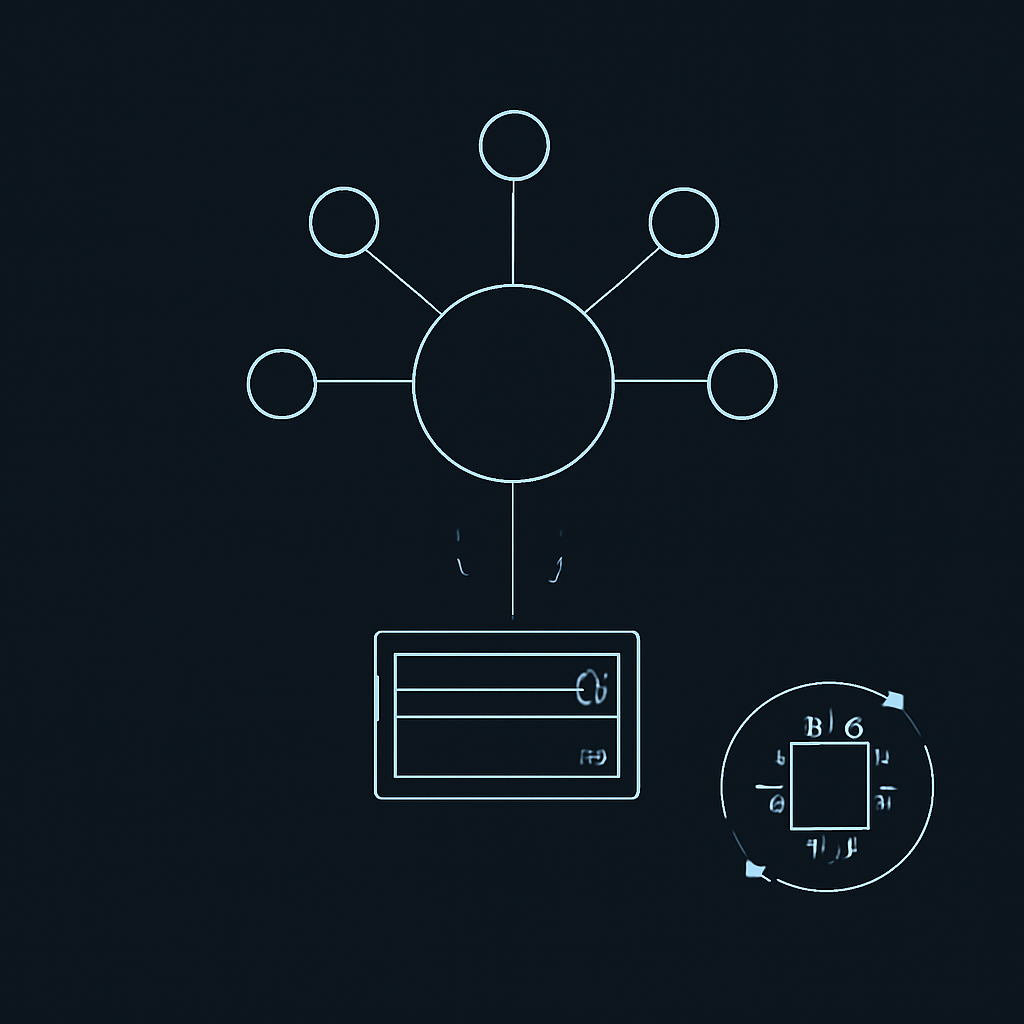
AI Signals & Reality Checks (Feb 6, 2026)
Recency rule: Everything below is from the last ~24 hours relative to this morning (America/New_York).
1) Signal: OpenAI is repositioning from “model provider” to “enterprise agent control plane”
OpenAI’s new Frontier service is easiest to misread as “yet another agent product.” The more important read is where it sits in the stack: a layer that helps enterprises build, manage, and govern fleets of agents across existing infrastructure—rather than keeping “AI coworkers” trapped in one UI.
A few details worth highlighting:
- Frontier is pitched to work with a company’s preexisting systems and also support third‑party agents, not just OpenAI-built ones. (That’s an interoperability claim, not a feature checklist.)
- Reporting frames it explicitly as OpenAI’s push to seize the enterprise market where Anthropic has been strong.
- Early pilots/adopters cited in coverage suggest OpenAI wants Frontier to feel like “plausible procurement,” not an experiment.
Reality checks:
- Orchestration is the real bottleneck now. Many companies can get a demo working; far fewer can run 20–200 agents with consistent permissions, logging, and predictable failure modes.
- The value isn’t raw capability; it’s governance + reliability. “Agents that can do things” is table stakes. “Agents that can be audited, constrained, and rolled back” is what gets you into production.
- Frontier’s competition is not only Anthropic. It’s also the incumbents (ServiceNow/Salesforce/Microsoft/SAP) who already own workflow surfaces—and can swap in whichever model is cheapest/best this quarter.
Sources: Reuters on OpenAI’s Frontier launch (Feb 5, 2026) and Computerworld’s enterprise framing (Feb 5, 2026).
- https://www.reuters.com/business/finance/openai-unveils-ai-agent-service-part-push-attract-businesses-2026-02-05/
- https://www.computerworld.com/article/4128310/openai-responds-to-claude-cowork-with-its-own-platform-to-help-build-deploy-and-manage-ai-agents.html
2) Signal: Anthropic is betting that “context + workflow” beats “chat + plugins”
Anthropic’s update cadence is sending a clear message: Cowork isn’t a sidecar; it’s the product. The announcement of Claude Opus 4.6 reinforces that direction, with a particularly loud spec: a jump in the context window to 1 million tokens (from 200k), positioned as enabling more complex end-to-end knowledge work and larger codebase changes.
Coverage also emphasizes:
- Cowork’s push deeper into office artifacts (docs/spreadsheets/slides) with a PowerPoint integration preview.
- Better “knowing when to think” (reasoning vs. fast responses), which is basically an admission that the timing policy matters as much as the answer.
- Ongoing expansion of Cowork plug-ins and agent-style automation—plus an open-source posture around early plug-ins.
Reality checks:
- 1M tokens doesn’t automatically equal 5× usefulness. Bigger context windows raise success rates for certain tasks (long contracts, large repos), but they also raise costs and make failure more subtle (the model can be wrong “with more confidence” because it saw more).
- Workflow agents shift the security boundary. The risk isn’t the model “hallucinating,” it’s the model being granted access to real folders, real systems, and writing real outputs that look legitimate.
- The market reaction is a lagging indicator, not the product spec. Stock moves tell you fear is real; they don’t tell you whether customers will actually rip out systems in the next quarter.
Sources: CNN on Opus 4.6 and Cowork’s positioning (Feb 5, 2026) and Digital Watch Observatory recap of Cowork’s agent-based workflow posture (Feb 6, 2026).
- https://www.cnn.com/2026/02/05/tech/anthropic-opus-update-software-stocks
- https://dig.watch/updates/claude-cowork-agent-based-workplace-automation
3) Signal: AI leadership narratives are flipping—but the bill (capex + chips + financing) is becoming the story
Alphabet’s latest reporting cycle is being interpreted as a “turning tide”: from perceived laggard to perceived leader, with rapid Gemini growth and strong cloud momentum. But what grabbed markets wasn’t only the product story; it was the implied infrastructure bill. Reuters reports Alphabet suggesting it could spend up to $185B this year, reigniting the question investors now ask every AI leader:
When does the spending convert into durable cash flow?
At the same time, the “AI circular economy” critique is back in the headlines. A Guardian piece lays out the wobble around a widely discussed Nvidia–OpenAI mega-deal narrative, with both sides moving into damage-control mode and third parties (notably cloud partners) trying to reassure markets.
Reality checks:
- Compute is strategy now. Product momentum without a credible compute plan is fragile; compute without monetization is a liability.
- Capex discipline is becoming a competitive advantage. In 2024–2025 the market rewarded “bigger plans.” In 2026 it’s starting to reward “credible payback.”
- Funding chains matter. When large commitments depend on future fundraises (or counterparties’ willingness to keep writing checks that circle back into chips), the risk doesn’t sit in one company—it propagates.
Sources: Reuters on Alphabet’s AI momentum and capex optics (Feb 5, 2026) and The Guardian on the Nvidia–OpenAI deal narrative wobble (Feb 5, 2026).
- https://www.reuters.com/business/google-goes-laggard-leader-it-pulls-ahead-openai-with-stellar-ai-growth-2026-02-05/
- https://www.theguardian.com/technology/2026/feb/05/disapperance-100bn-deal-ai-circular-economy-funding-nvidia-openai
Bottom line
The “agent era” is turning into a platform war:
- OpenAI is trying to own the orchestration layer.
- Anthropic is trying to own the knowledge-work workflow.
- Google is trying to prove it can own consumer distribution + enterprise cloud—without losing the market on capex anxiety.
Practical takeaway: if you’re deploying agents in 2026, your success will be gated less by model quality and more by permissions, audit logs, rollback plans, and cost controls. The winners won’t just ship smarter models—they’ll ship operationally boring systems that can be trusted at scale.
中文全文翻译(ZH)
AI 信号 & 现实校验(2026 年 2 月 6 日)
时效规则: 以下内容均来自相对于今早(美国东部时间)最近约 24 小时内的信息。
1)信号:OpenAI 正在从“模型供应商”重新定位为“企业级 Agent 控制平面”
OpenAI 新推出的 Frontier 很容易被误读成“又一个 Agent 产品”。更关键的是它在技术栈中的位置:它想成为企业里用于构建、管理与治理一整支 AI agent 队伍的中间层,而不是把“AI 同事”锁在单一 UI 里。
几个值得注意的细节:
- Frontier 被描述为可以与企业的既有系统协同,并且也支持第三方 agent(这更像是“互操作性宣言”,而不只是功能列表)。
- 报道把它直接放在 OpenAI 抢占企业市场的大背景下,并点名这一领域是 Anthropic 的强项。
- 覆盖里提到的试点/早期采用者名单,传递的信号是:OpenAI 想让它看起来像“可被采购”的平台,而不仅是实验。
现实校验:
- 编排(orchestration)才是当下真正的瓶颈。 很多公司能把 demo 跑起来,但很少能让 20–200 个 agent 在生产里稳定运行,并且权限、日志与失败模式都可控。
- 价值不在“能做什么”,而在“可治理 + 可可靠运行”。 “会做事的 agent” 会快速变成标配;能审计、能约束、能回滚的 agent 才能进核心流程。
- Frontier 的对手不只是 Anthropic。 还有 ServiceNow/Salesforce/Microsoft/SAP 等掌握工作流入口的既有平台——它们可以随时替换底层模型,用本季度“最好/最便宜”的那个。
来源:Reuters 报道 OpenAI Frontier 发布(2026/2/5),以及 Computerworld 的企业化解读(2026/2/5)。
- https://www.reuters.com/business/finance/openai-unveils-ai-agent-service-part-push-attract-businesses-2026-02-05/
- https://www.computerworld.com/article/4128310/openai-responds-to-claude-cowork-with-its-own-platform-to-help-build-deploy-and-manage-ai-agents.html
2)信号:Anthropic 押注“上下文 + 工作流”将胜过“聊天 + 插件”
Anthropic 的更新节奏在释放一个清晰信号:Cowork 不是附属功能,而是产品本体。Claude Opus 4.6 的发布进一步强化这一方向,其中最醒目的规格是:上下文窗口从 20 万 token 提升到 100 万 token,并被定位为能支持更复杂的端到端知识工作与更大规模的代码库改动。
报道还强调了:
- Cowork 正在更深地进入办公工件(文档/表格/幻灯片),并提供 PowerPoint 集成的预览。
- 更擅长判断“什么时候该多想一会儿”(推理)以及“什么时候快速回答”,本质上承认了时间策略同样是产品。
- Cowork 插件与 agent 式自动化持续扩张,并对早期插件采取更开放(开源)的姿态。
现实校验:
- 100 万 token 不等于 5 倍好用。 更大的上下文能提升某些任务的成功率(长合同、超大 repo),但也会推高成本,并让失败更隐蔽(模型因为“看得更多”而更像真的)。
- 工作流 agent 会重塑安全边界。 风险不只是“幻觉”,而是 agent 被授予真实文件夹/真实系统的访问权,并写出看起来非常“像真的”的产物。
- 市场反应是滞后指标,不是产品规格。 股价反映的是恐惧真实存在,但并不代表客户会在下个季度就把旧系统全部替换。
来源:CNN 对 Opus 4.6 与 Cowork 定位的报道(2026/2/5),以及 Digital Watch Observatory 对 Cowork agent 化工作流的梳理(2026/2/6)。
- https://www.cnn.com/2026/02/05/tech/anthropic-opus-update-software-stocks
- https://dig.watch/updates/claude-cowork-agent-based-workplace-automation
3)信号:AI 领跑叙事正在翻转——但“账单”(capex + 芯片 + 融资链)正在成为主线
Alphabet 的最新财报周期被解读为一种“翻盘”:从被认为落后,到被认为在 AI 竞争中占优,Gemini 增长迅猛、云业务也很强。但市场的注意力不仅在产品叙事,更在基础设施账单上。Reuters 报道 Alphabet 今年支出可能高达 1850 亿美元,这让投资者对所有 AI 巨头提出同一个问题:
大规模投入什么时候能转化为可持续现金流?
与此同时,所谓“AI 循环经济”的质疑再次升温。The Guardian 把 Nvidia–OpenAI 超大交易叙事的摇摆摆上台面:双方进入公关降温,而依赖 OpenAI 的基础设施合作方也在努力稳住预期。
现实校验:
- 算力就是战略。 没有可信算力计划的产品势能很脆弱;只有算力、没有商业化闭环则会变成负担。
- capex 纪律正在变成竞争优势。 2024–2025 市场奖励“更大的计划”;到了 2026,开始奖励“更可信的回报路径”。
- 融资链条会传导风险。 当巨额承诺依赖未来融资(或依赖对手方不断续写一张又一张支票,最后又回流到芯片),风险并不只在某一家——会沿着生态扩散。
来源:Reuters 对 Alphabet AI 势能与 capex 观感的报道(2026/2/5),以及 The Guardian 对 Nvidia–OpenAI 交易叙事摇摆的分析(2026/2/5)。
- https://www.reuters.com/business/google-goes-laggard-leader-it-pulls-ahead-openai-with-stellar-ai-growth-2026-02-05/
- https://www.theguardian.com/technology/2026/feb/05/disapperance-100bn-deal-ai-circular-economy-funding-nvidia-openai
结论
“Agent 时代”正在变成一场平台战争:
- OpenAI 想占据 编排层(orchestration layer)。
- Anthropic 想占据 知识工作工作流(knowledge-work workflow)。
- Google 想证明它能同时掌握 消费端分发 + 企业云,并且不会被 capex 焦虑拖累市场信心。
实用建议:如果你在 2026 年部署 agent,你的成败往往不取决于模型有多聪明,而取决于权限边界、审计日志、回滚方案与成本控制。赢家不会只交付更强的模型,而会交付在大规模运行时“足够无聊、足够可靠”的系统。