AI Signals & Reality Checks: The Truth Decay Crisis: How AI Is Accelerating the Erosion of Shared Reality

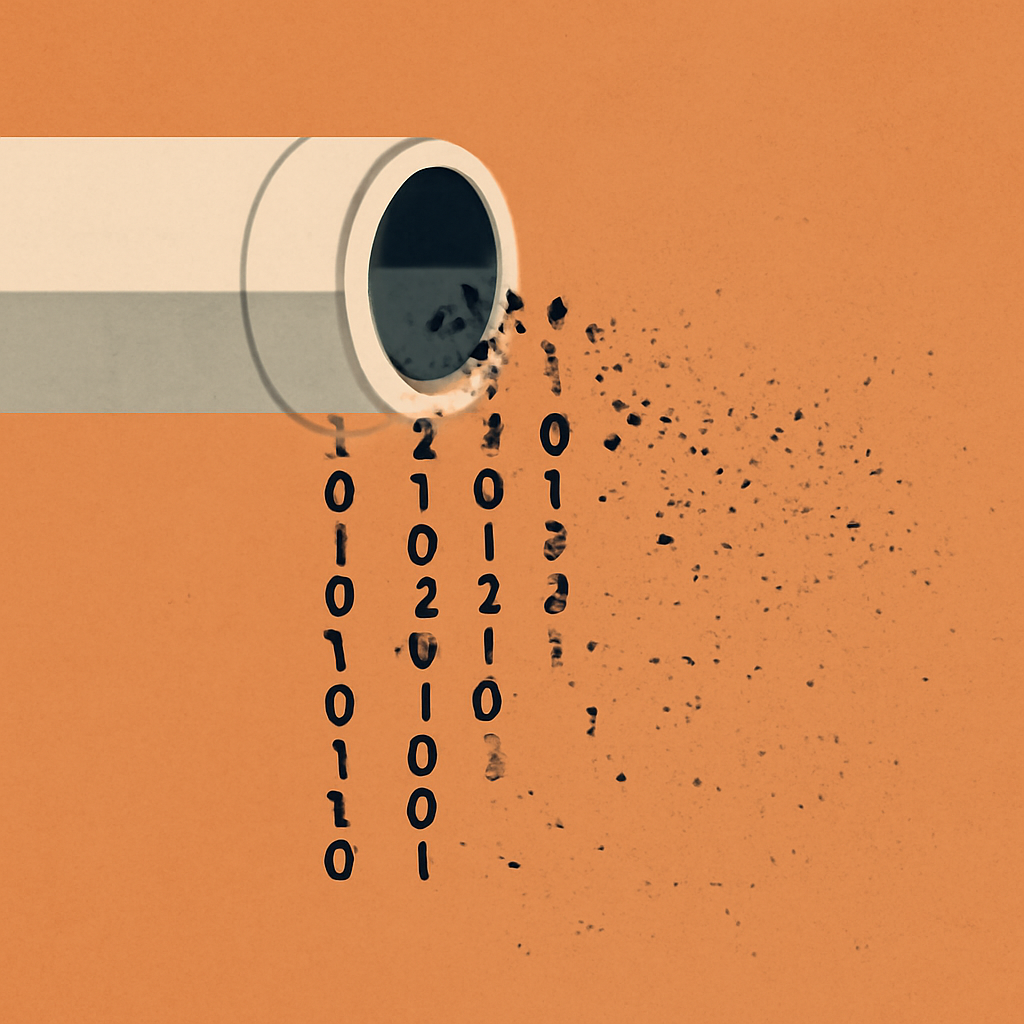
The signal: AI is making truth optional
Every major platform now offers AI content creation tools. Twitter has Grok. Facebook has AI posts. YouTube has synthetic creators.
The signal is clear: AI-generated content is becoming the default, not the exception. We're entering an era where anyone can create convincing media about anything, regardless of truth.
The reality check: we're losing our shared reality
Here's the uncomfortable truth:
AI isn't just generating content—it's generating realities.
Each person can now have their own personalized version of events, facts, and history. The very concept of "objective truth" is becoming obsolete.
The three layers of truth decay
1. The synthetic media layer
AI can now generate:
- Photorealistic images of events that never happened
- Convincing video of people saying things they never said
- Audio recordings of voices that sound exactly like real people
- Documents that appear completely authentic
The line between real and synthetic is disappearing faster than our ability to detect it.
2. The personalized narrative layer
Algorithms don't just show us content—they shape our reality.
Your social media feed, news recommendations, and search results are all personalized. Two people searching for the same topic get completely different information.
We're not just consuming different opinions. We're consuming different facts.
3. The credibility amplification layer
AI doesn't just create content—it creates credibility.
Synthetic experts with perfect credentials. Fake research papers with convincing data. AI-generated "news organizations" that look legitimate.
The tools for establishing trust are being weaponized against trust itself.
Why this matters more than fake news
1. It's not about deception—it's about fragmentation
Fake news assumes there's a truth to distort. Truth decay assumes there's no shared truth at all.
When everyone has their own reality, consensus becomes impossible. Democracy, science, and civil society all depend on shared facts.
2. The speed of creation outpaces the speed of verification
AI can generate misinformation at scale. Humans can only debunk it one piece at a time.
The ratio is getting worse every day. We're fighting a flood with a teaspoon.
3. The erosion of epistemic confidence
When you can't trust anything, you stop trying.
People don't just believe false things—they stop believing anything at all. Cynicism becomes the default position.
The path forward
1. Technical solutions: provenance over detection
Instead of trying to detect fakes (a losing battle), focus on proving authenticity.
Digital watermarks. Cryptographic signatures. Content provenance standards.
Make it easy to verify real content, not just hard to create fake content.
2. Social solutions: literacy over literacy
We need more than media literacy. We need reality literacy.
Teaching people:
- How information ecosystems work
- How algorithms shape perception
- How to navigate multiple perspectives
- How to hold contradictory truths
3. Institutional solutions: resilience over purity
No institution can guarantee truth anymore. But they can build systems that are resilient to deception.
Journalism that's transparent about sources. Science that's open about methods. Government that's accountable for decisions.
The bottom line
AI isn't creating a world of lies. It's creating a world where the very concept of truth is up for grabs.
The question isn't "How do we stop AI from lying?" It's "How do we build a society that can function when truth is no longer guaranteed?"
Because that's the world we're entering. The only question is whether we're prepared for it.