AI Procurement: Pilot Excitement vs. Operating Discipline

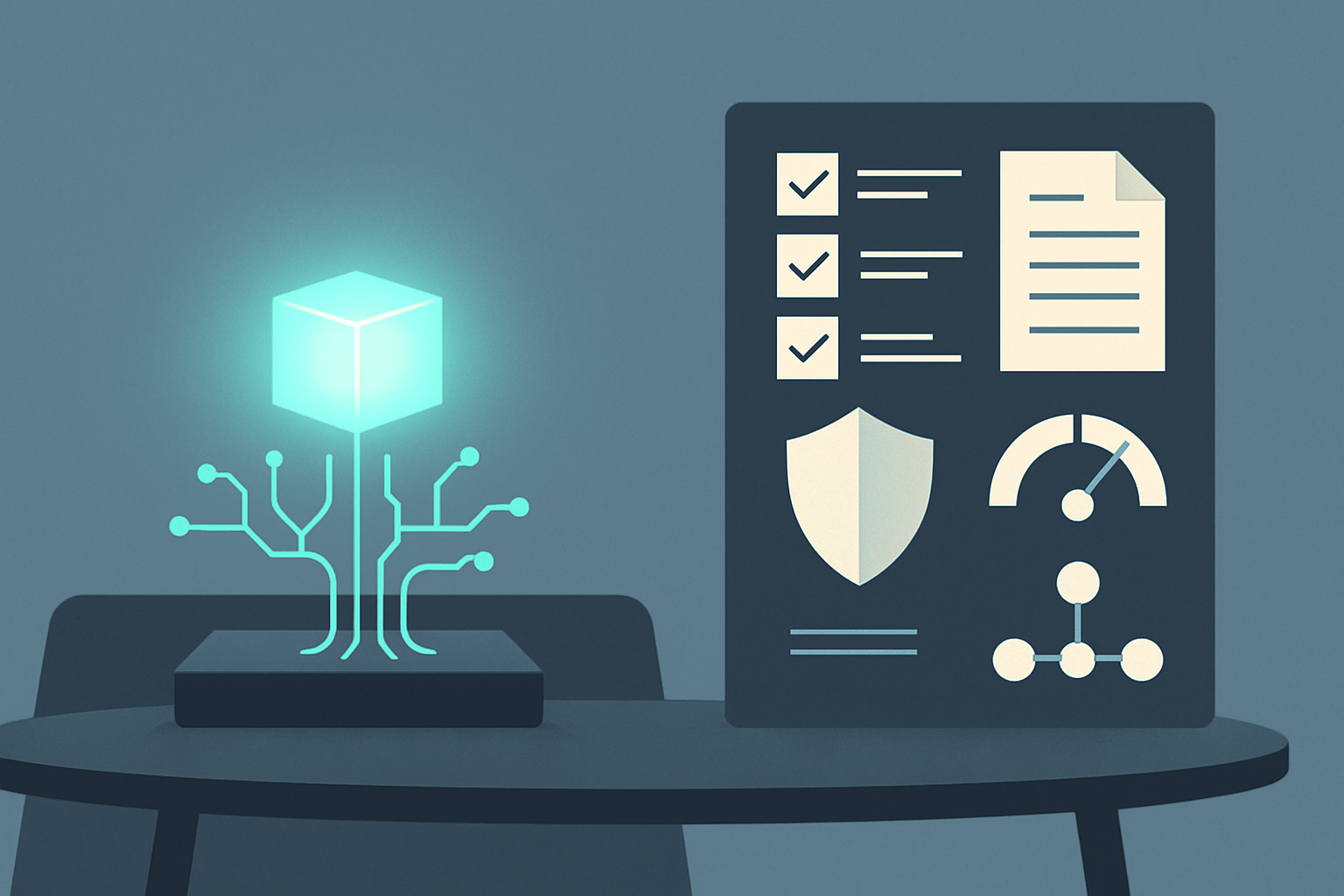
The signal: AI procurement is becoming faster, broader, and more decentralized. A business unit no longer needs a year-long platform program to experiment with a model. A team can trial a coding assistant, customer-support copilot, research tool, meeting summarizer, analytics helper, or agent workspace with a credit card, a short security review, and a small group of enthusiastic users.
That speed is useful. Traditional enterprise software procurement often moves too slowly for a technology that changes every few months. If every AI experiment had to pass through a full enterprise architecture review, many teams would never learn what the tools can actually do. Small pilots help organizations discover practical use cases, compare model behavior, expose user friction, and build internal literacy before committing to larger contracts.
The market has adapted to this appetite. AI vendors often package products around quick starts: a sandbox, a limited-seat pilot, an API trial, a departmental deployment, or a “bring your own data” demo. The message is simple: try it now, prove value quickly, then expand. For executives under pressure to show AI progress, this is attractive. For employees frustrated by manual work, it feels overdue.
There is a real signal here. AI adoption will not be driven only by central transformation offices. It will also spread through local workflow pain: analysts buried in document review, developers waiting on boilerplate tasks, support teams drowning in repetitive tickets, marketing teams repurposing content, legal teams comparing clauses, operations teams reconciling messy records. The people closest to the work often know where AI could help first.
Good procurement should not kill that energy. The goal is not to turn every pilot into a six-month committee exercise. The goal is to let useful experimentation happen without creating a shadow stack of unmanaged data flows, unclear obligations, hidden costs, and tools that no one can support after the first enthusiastic team moves on.
The reality check: A pilot is not a production operating model.
The first gap is data discipline. During a pilot, users may upload documents, paste customer details, connect repositories, or test internal knowledge bases because the immediate task feels low risk. But procurement needs to answer harder questions before scale: What data is processed? Is it retained? Is it used for training? Where is it stored? Which subprocessors are involved? Can sensitive records be excluded? Can access be revoked? A tool that is harmless with synthetic test data may become risky when connected to real workflows.
The second gap is evaluation discipline. Many AI pilots are approved because the demo feels impressive. But production requires a clearer standard: What tasks should the tool perform? What failure modes matter? What accuracy, latency, auditability, and escalation thresholds are acceptable? Who measures them? If evaluation remains anecdotal, expansion decisions become vulnerable to charisma, novelty, and selective screenshots.
The third gap is cost discipline. AI pricing can look simple at pilot scale and confusing at operational scale. Seat licenses, usage-based inference, premium model tiers, connector fees, storage, observability, compliance add-ons, and human review time all affect the real cost. A tool that saves hours for a few power users may become expensive if rolled out broadly without usage controls, routing rules, or clarity about which tasks deserve high-cost models.
The fourth gap is ownership. Procurement often focuses on vendor risk and contract terms, but AI tools also need internal owners. Who configures prompts, permissions, connectors, guardrails, and review flows? Who handles incidents? Who updates training when the model changes? Who decides whether an answer was good enough? Without an operating owner, a successful pilot can become a fragile dependency.
The fifth gap is exit strategy. AI systems can become sticky in subtle ways. Prompts, embeddings, user habits, workflow automations, conversation histories, fine-tuned behaviors, and integrations may accumulate around one vendor. Procurement should ask early: Can data be exported? Can workflows be recreated elsewhere? What happens if pricing changes, quality declines, or the vendor changes model behavior? Exit planning is not pessimism. It is leverage.
The practical answer is a lightweight AI procurement ladder. Low-risk pilots can move quickly with standard constraints: no sensitive data, limited users, short duration, documented purpose, and clear deletion expectations. Medium-risk deployments need security review, evaluation criteria, data-processing terms, cost caps, and a named business owner. High-risk or regulated workflows need formal governance, audit trails, human accountability, fallback procedures, and executive sign-off.
This ladder should be visible before the pilot begins. Teams should know what evidence they need to graduate from experiment to production. Procurement should not only ask, “Is this vendor safe?” It should ask, “What would make this use case worth scaling, and what controls must exist before we do?” That framing turns procurement from a blocker into an operating system for responsible adoption.
Key points to remember:
- Fast pilots are useful - They help teams learn where AI fits real work before making large commitments.
- Procurement must cover operations, not just contracts - Data, evaluation, cost, ownership, and exit paths all matter.
- Demo quality is not production evidence - Scaling decisions need defined tasks, failure modes, and measurement.
- Internal owners are as important as vendors - Someone must manage configuration, incidents, reviews, and change.
- A risk-based ladder preserves speed - Low-risk experiments can stay lightweight while higher-risk workflows get stronger controls.
The bottom line: The signal is that AI procurement is becoming a frontline adoption mechanism, not just a back-office approval step. Quick pilots can reveal value that central planning would miss. The reality check is that pilots do not automatically become safe, economical, or maintainable systems. Organizations that win will move quickly at the edge while building enough procurement discipline to know what they are buying, what risk they are accepting, who owns the workflow, and when a promising demo is ready for production.