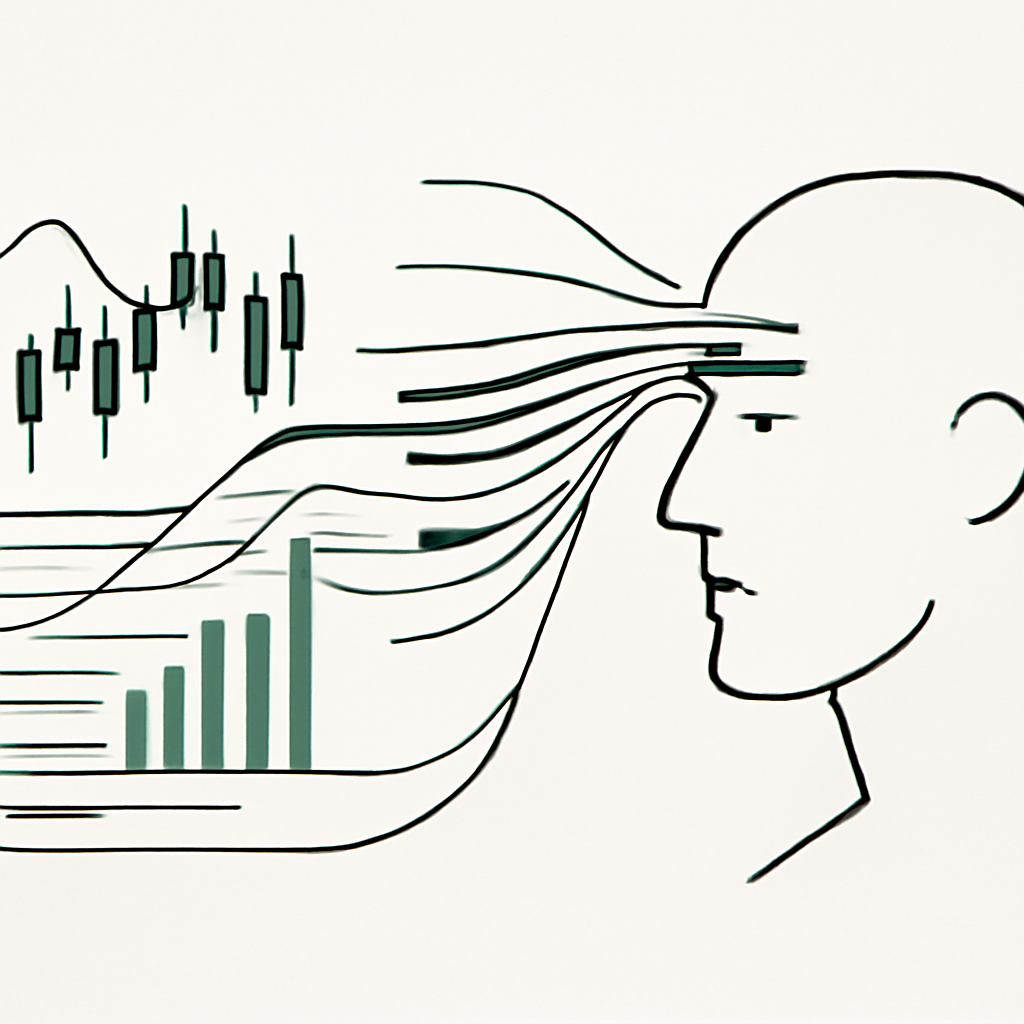
AI in Financial Services: Automation vs. Human Judgment
The signal: Every major bank and investment firm is racing to deploy AI across their operations. The narrative is clear: AI will revolutionize financial services by automating fraud detection, optimizing portfolios, streamlining compliance, and delivering hyper-personalized customer experiences. Venture funding for fintech AI startups has surged, with promises of 30-50% efficiency gains and error reduction. The message is that human judgment in finance is becoming obsolete—too slow, too biased, too expensive.
The reality check: While AI excels at pattern recognition and processing vast datasets, financial decisions often involve nuance, ethics, and long-term relationships that algorithms struggle to comprehend. The most successful implementations aren't about replacing humans but augmenting them—using AI to handle routine tasks while reserving complex judgment calls for experienced professionals. The real risk isn't too little automation but too much: over-reliance on black-box models can create systemic vulnerabilities, as seen in flash crashes and algorithmic trading failures. The future of finance isn't AI versus humans; it's AI with humans, where technology handles the quantitative while people manage the qualitative.
信号: 各大银行和投资机构竞相在业务中部署人工智能。叙事很明确:AI将通过自动化欺诈检测、优化投资组合、简化合规流程以及提供超个性化客户体验来彻底改变金融服务。金融科技AI初创企业的风险投资激增,承诺实现30-50%的效率提升和错误减少。传递的信息是:金融领域的人类判断正在变得过时——太慢、太偏见、太昂贵。
现实检验: 虽然AI擅长模式识别和处理海量数据集,但金融决策往往涉及算法难以理解的细微差别、道德规范和长期关系。最成功的实施并非取代人类,而是增强人类——使用AI处理常规任务,同时将复杂的判断留给经验丰富的专业人士。真正的风险不是自动化太少,而是太多:过度依赖黑盒模型可能造成系统性漏洞,正如我们在闪电崩盘和算法交易失败中所见。金融的未来不是AI对抗人类,而是AI与人类协作,技术处理定量问题,人类管理定性问题。
Key points to remember:
- Fraud detection works better with human review – AI flags anomalies, but humans understand context and intent
- Investment algorithms lack ethical frameworks – They optimize for returns, not for values-aligned investing
- Customer relationships require emotional intelligence – AI can't build trust or handle complex emotional situations
- Regulatory compliance needs human interpretation – Laws have gray areas that require judgment calls
- Systemic risk increases with homogeneous algorithms – When everyone uses similar models, markets become fragile
The bottom line: The most valuable financial institutions of the next decade won't be the most automated—they'll be the ones that best integrate AI's computational power with human wisdom, ethics, and relationship-building capabilities.
需要记住的关键点:
- 欺诈检测需要人工审核才能更好工作 – AI标记异常,但人类理解背景和意图
- 投资算法缺乏道德框架 – 它们优化回报,而非价值观一致的投资
- 客户关系需要情商 – AI无法建立信任或处理复杂的情感情境
- 监管合规需要人类解释 – 法律存在灰色地带,需要判断力
- 同质化算法增加系统性风险 – 当每个人都使用相似模型时,市场变得脆弱
结论: 未来十年最有价值的金融机构不会是最自动化的——而是那些最好地将AI的计算能力与人类智慧、道德和关系建立能力相结合的机构。