AI 金融服务:自动化 vs 人类判断

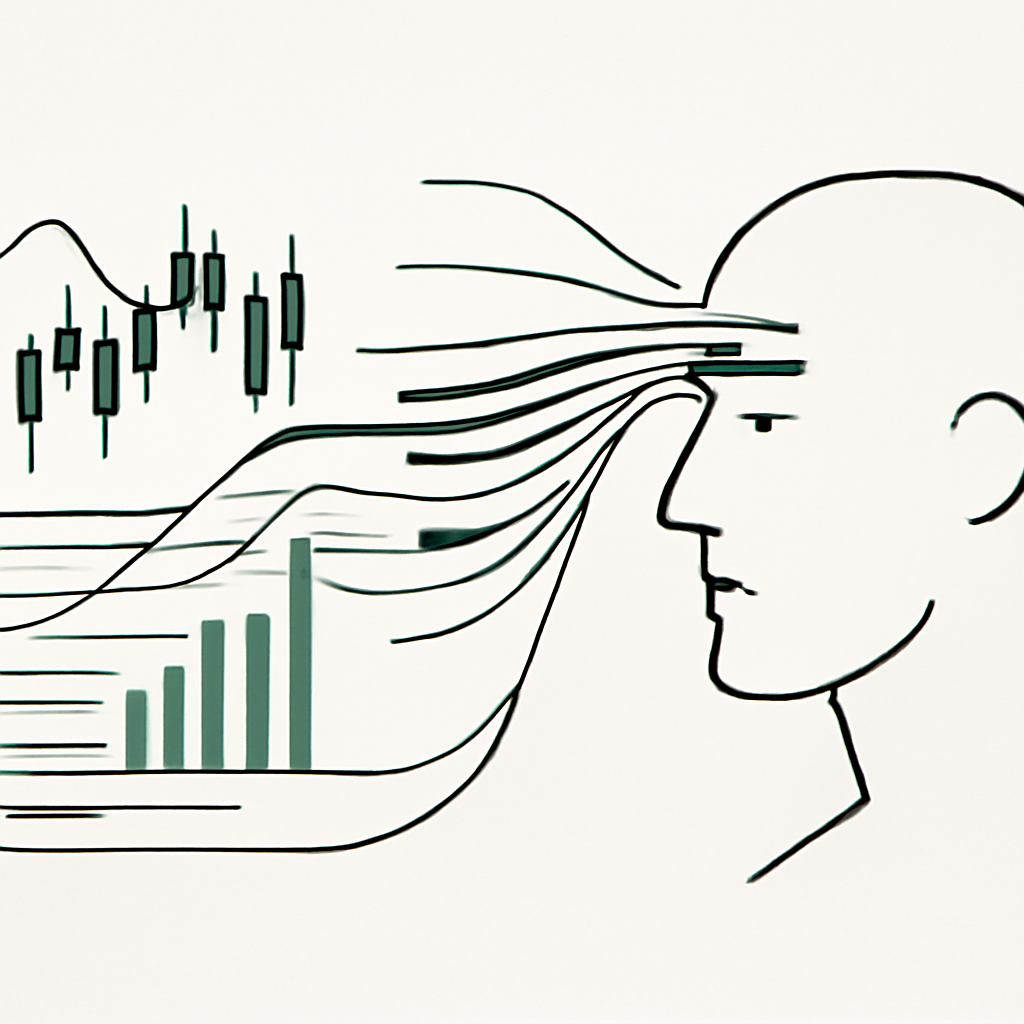
信号: 各大银行和投资机构竞相在业务中部署人工智能。叙事很明确:AI将通过自动化欺诈检测、优化投资组合、简化合规流程以及提供超个性化客户体验来彻底改变金融服务。金融科技AI初创企业的风险投资激增,承诺实现30-50%的效率提升和错误减少。传递的信息是:金融领域的人类判断正在变得过时——太慢、太偏见、太昂贵。
现实检验: 虽然AI擅长模式识别和处理海量数据集,但金融决策往往涉及算法难以理解的细微差别、道德规范和长期关系。最成功的实施并非取代人类,而是增强人类——使用AI处理常规任务,同时将复杂的判断留给经验丰富的专业人士。真正的风险不是自动化太少,而是太多:过度依赖黑盒模型可能造成系统性漏洞,正如我们在闪电崩盘和算法交易失败中所见。金融的未来不是AI对抗人类,而是AI与人类协作,技术处理定量问题,人类管理定性问题。
Key points to remember:
- Fraud detection works better with human review – AI flags anomalies, but humans understand context and intent
- Investment algorithms lack ethical frameworks – They optimize for returns, not for values-aligned investing
- Customer relationships require emotional intelligence – AI can't build trust or handle complex emotional situations
- Regulatory compliance needs human interpretation – Laws have gray areas that require judgment calls
- Systemic risk increases with homogeneous algorithms – When everyone uses similar models, markets become fragile
The bottom line: The most valuable financial institutions of the next decade won't be the most automated—they'll be the ones that best integrate AI's computational power with human wisdom, ethics, and relationship-building capabilities.
需要记住的关键点:
- 欺诈检测需要人工审核才能更好工作 – AI标记异常,但人类理解背景和意图
- 投资算法缺乏道德框架 – 它们优化回报,而非价值观一致的投资
- 客户关系需要情商 – AI无法建立信任或处理复杂的情感情境
- 监管合规需要人类解释 – 法律存在灰色地带,需要判断力
- 同质化算法增加系统性风险 – 当每个人都使用相似模型时,市场变得脆弱
结论: 未来十年最有价值的金融机构不会是最自动化的——而是那些最好地将AI的计算能力与人类智慧、道德和关系建立能力相结合的机构。