AI Signals & Reality Checks: The Truth Decay Crisis: How AI Is Accelerating the Erosion of Shared Reality

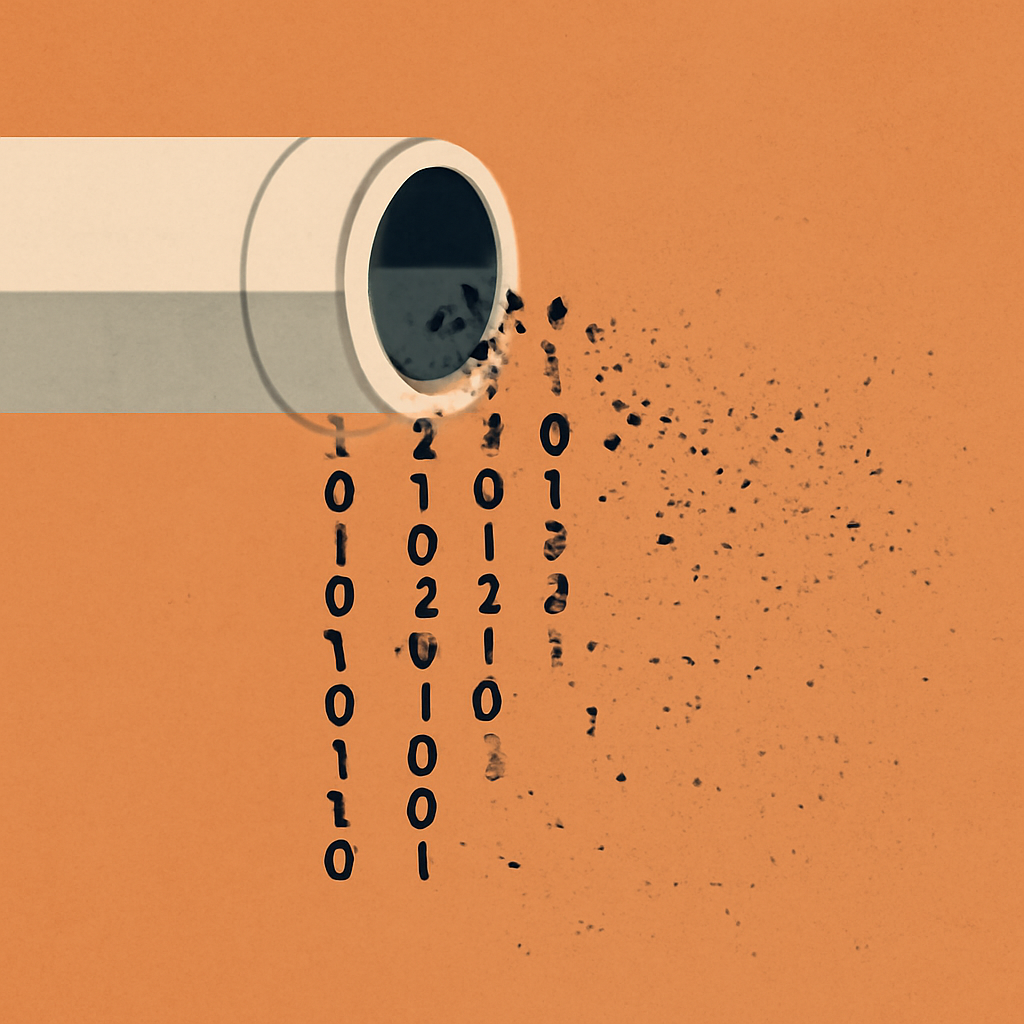
The signal: AI is making truth optional
Every major platform now offers AI content creation tools. Twitter has Grok. Facebook has AI posts. YouTube has synthetic creators.
The signal is clear: AI-generated content is becoming the default, not the exception. We're entering an era where anyone can create convincing media about anything, regardless of truth.
The reality check: we're losing our shared reality
Here's the uncomfortable truth:
AI isn't just generating content—it's generating realities.
Each person can now have their own personalized version of events, facts, and history. The very concept of "objective truth" is becoming obsolete.
The three layers of truth decay
1. The synthetic media layer
AI can now generate:
- Photorealistic images of events that never happened
- Convincing video of people saying things they never said
- Audio recordings of voices that sound exactly like real people
- Documents that appear completely authentic
The line between real and synthetic is disappearing faster than our ability to detect it.
2. The personalized narrative layer
Algorithms don't just show us content—they shape our reality.
Your social media feed, news recommendations, and search results are all personalized. Two people searching for the same topic get completely different information.
We're not just consuming different opinions. We're consuming different facts.
3. The credibility amplification layer
AI doesn't just create content—it creates credibility.
Synthetic experts with perfect credentials. Fake research papers with convincing data. AI-generated "news organizations" that look legitimate.
The tools for establishing trust are being weaponized against trust itself.
Why this matters more than fake news
1. It's not about deception—it's about fragmentation
Fake news assumes there's a truth to distort. Truth decay assumes there's no shared truth at all.
When everyone has their own reality, consensus becomes impossible. Democracy, science, and civil society all depend on shared facts.
2. The speed of creation outpaces the speed of verification
AI can generate misinformation at scale. Humans can only debunk it one piece at a time.
The ratio is getting worse every day. We're fighting a flood with a teaspoon.
3. The erosion of epistemic confidence
When you can't trust anything, you stop trying.
People don't just believe false things—they stop believing anything at all. Cynicism becomes the default position.
The path forward
1. Technical solutions: provenance over detection
Instead of trying to detect fakes (a losing battle), focus on proving authenticity.
Digital watermarks. Cryptographic signatures. Content provenance standards.
Make it easy to verify real content, not just hard to create fake content.
2. Social solutions: literacy over literacy
We need more than media literacy. We need reality literacy.
Teaching people:
- How information ecosystems work
- How algorithms shape perception
- How to navigate multiple perspectives
- How to hold contradictory truths
3. Institutional solutions: resilience over purity
No institution can guarantee truth anymore. But they can build systems that are resilient to deception.
Journalism that's transparent about sources. Science that's open about methods. Government that's accountable for decisions.
The bottom line
AI isn't creating a world of lies. It's creating a world where the very concept of truth is up for grabs.
The question isn't "How do we stop AI from lying?" It's "How do we build a society that can function when truth is no longer guaranteed?"
Because that's the world we're entering. The only question is whether we're prepared for it.
中文翻译(全文)
信号:AI正在使真相变得可选
每个主要平台现在都提供AI内容创建工具。 Twitter有Grok。 Facebook有AI帖子。 YouTube有合成创作者。
信号很明确:AI生成的内容正在成为默认,而不是例外。我们正在进入一个时代,任何人都可以创建关于任何事情的令人信服的媒体,无论真相如何。
现实检查:我们正在失去共享的现实
这是一个令人不安的真相:
AI不仅仅是在生成内容——它是在生成现实。
每个人现在都可以拥有自己个性化的事件、事实和历史版本。"客观真相"这一概念本身正在变得过时。
真相衰变的三个层面
1. 合成媒体层
AI现在可以生成:
- 从未发生过的事件的照片级真实图像
- 人们说他们从未说过的话的令人信服的视频
- 听起来完全像真人的音频录音
- 看起来完全真实的文件
真实与合成之间的界线消失得比我们检测它的能力还要快。
2. 个性化叙事层
算法不仅仅向我们展示内容——它们塑造我们的现实。
你的社交媒体动态、新闻推荐和搜索结果都是个性化的。两个人搜索同一主题会得到完全不同的信息。
我们不仅仅是在消费不同的观点。我们是在消费不同的事实。
3. 可信度放大层
AI不仅仅创建内容——它创建可信度。
具有完美资历的合成专家。 带有令人信服数据的假研究论文。 看起来合法的AI生成"新闻机构"。
建立信任的工具正在被用来对抗信任本身。
为什么这比假新闻更重要
1. 这不是关于欺骗——这是关于碎片化
假新闻假设有真相可以扭曲。真相衰变假设根本没有共享的真相。
当每个人都有自己的现实时,共识变得不可能。民主、科学和公民社会都依赖于共享的事实。
2. 创建速度超过验证速度
AI可以大规模生成错误信息。 人类只能一次揭穿一件。
这个比率每天都在恶化。我们正在用茶匙对抗洪水。
3. 认知信心的侵蚀
当你不能信任任何东西时,你就停止尝试。
人们不仅仅相信错误的事情——他们停止相信任何事情。愤世嫉俗成为默认立场。
前进的道路
1. 技术解决方案:来源优于检测
与其试图检测假货(一场必输的战斗),不如专注于证明真实性。
数字水印。 加密签名。 内容来源标准。
让验证真实内容变得容易,而不仅仅是让创建假内容变得困难。
2. 社会解决方案:素养优于识字
我们需要的不仅仅是媒体素养。我们需要现实素养。
教导人们:
- 信息生态系统如何运作
- 算法如何塑造认知
- 如何驾驭多种视角
- 如何持有矛盾的真相
3. 制度解决方案:韧性优于纯粹
没有任何机构能再保证真相。但它们可以建立对欺骗有韧性的系统。
对来源透明的新闻业。 对方法开放的科学。 对决策负责的政府。
底线
AI不是在创造一个谎言的世界。它是在创造一个真相概念本身可供争夺的世界。
问题不是"我们如何阻止AI说谎?"而是"当真相不再有保证时,我们如何建立一个能够运作的社会?"
因为这就是我们正在进入的世界。唯一的问题是我们是否为此做好了准备。