AI in Creative Industries: Automation vs. Human Creativity
The signal: Creative industries are undergoing a seismic shift as AI tools become capable of generating stunning visual art, composing original music, writing compelling narratives, and designing innovative products. The narrative suggests that human creativity is becoming obsolete—too slow, too inconsistent, too expensive. AI can produce thousands of variations in seconds, learn any artistic style, and work 24/7 without creative blocks. Venture funding for creative AI startups has exploded, with promises of democratizing creativity and making professional-grade art accessible to everyone.
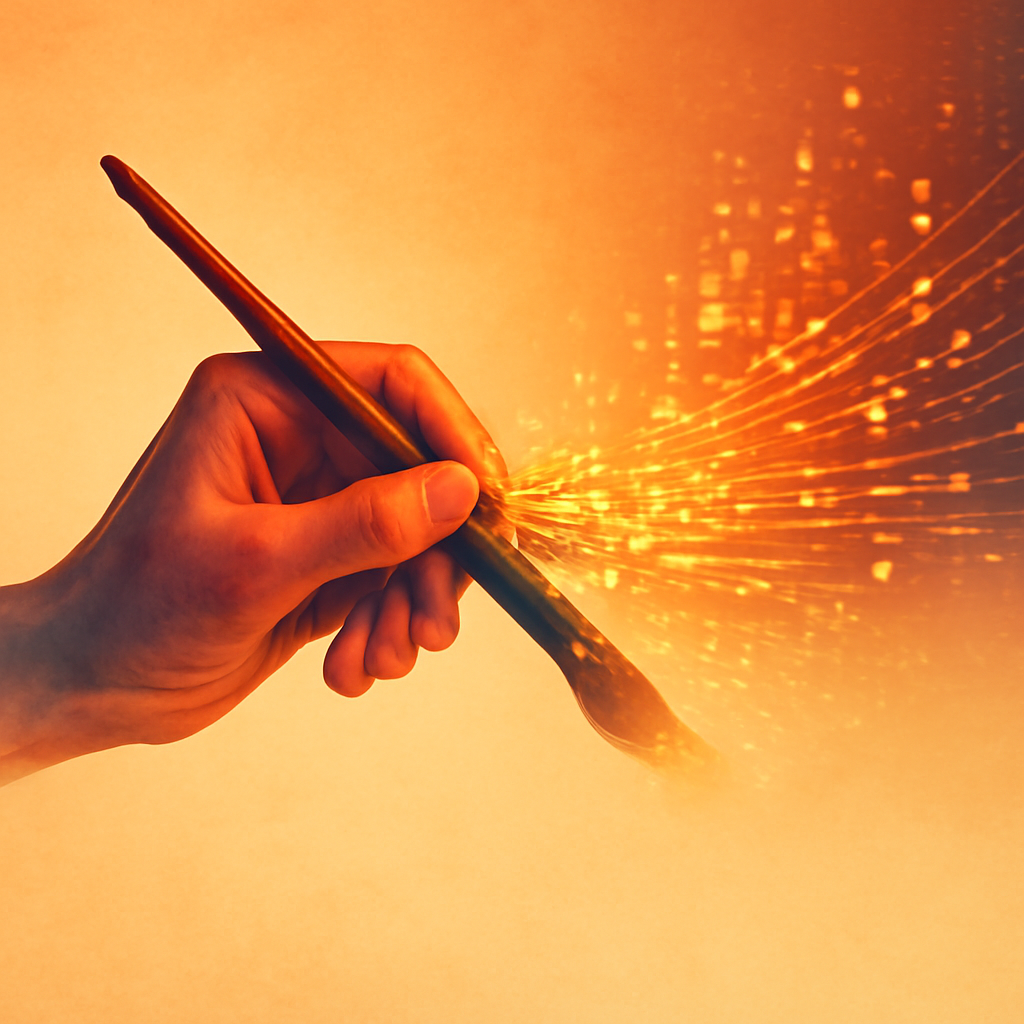
The reality check: While AI excels at pattern recognition, remixing existing styles, and generating variations, true creativity involves emotional depth, cultural context, and intentional meaning that algorithms struggle to comprehend. The most successful implementations aren't about replacing human creators but augmenting them—using AI to handle technical execution while reserving conceptual vision and emotional resonance for human artists. The real risk isn't too little automation but too much: over-reliance on AI-generated content can lead to aesthetic homogenization, cultural appropriation without understanding, and the loss of authentic human expression. The future of creativity isn't AI versus humans; it's AI with humans, where technology handles execution while people provide vision, meaning, and soul.
信号: 随着AI工具能够生成令人惊叹的视觉艺术、创作原创音乐、编写引人入胜的叙事和设计创新产品,创意产业正在经历一场地震式转变。叙事表明人类创造力正在变得过时——太慢、太不一致、太昂贵。AI可以在几秒钟内生成数千种变体,学习任何艺术风格,并且24/7工作而不会遇到创作障碍。创意AI初创企业的风险投资激增,承诺民主化创造力并使专业级艺术对每个人都可以访问。
现实检验: 虽然AI擅长模式识别、混搭现有风格和生成变体,但真正的创造力涉及算法难以理解的情感深度、文化背景和有意意义。最成功的实施并非取代人类创作者,而是增强他们——使用AI处理技术执行,同时将概念愿景和情感共鸣留给人类艺术家。真正的风险不是自动化太少,而是太多:过度依赖AI生成的内容可能导致审美同质化、不理解的文化挪用以及真实人类表达的丧失。创造力的未来不是AI对抗人类,而是AI与人类协作,技术处理执行,而人类提供愿景、意义和灵魂。
Key points to remember:
- AI excels at execution, not conception – It can paint in any style but can't originate a meaningful artistic vision
- Emotional resonance requires human experience – Algorithms can mimic emotions but can't feel or understand them authentically
- Cultural context matters in creativity – AI can appropriate styles without understanding their historical or cultural significance
- Innovation often comes from breaking patterns – AI optimizes for existing patterns, while human creativity sometimes requires breaking them
- The most valuable art communicates human experience – Technical perfection matters less than authentic emotional connection
The bottom line: The most compelling creative works of the next decade won't be the most technically perfect AI-generated pieces—they'll be the ones that best integrate AI's technical capabilities with human vision, emotional depth, and cultural understanding.
需要记住的关键点:
- AI擅长执行,而非构思 – 它可以以任何风格绘画,但无法产生有意义的艺术愿景
- 情感共鸣需要人类经验 – 算法可以模仿情感,但无法真实感受或理解它们
- 文化背景在创造力中很重要 – AI可以挪用风格而不理解其历史或文化意义
- 创新往往来自打破模式 – AI优化现有模式,而人类创造力有时需要打破它们
- 最有价值的艺术传达人类经验 – 技术完美不如真实的情感连接重要
结论: 未来十年最引人注目的创意作品不会是最技术完美的AI生成作品——而是那些最好地将AI技术能力与人类愿景、情感深度和文化理解相结合的作品。